Hiring a roof repairman is not only about getting a tarp removed or a few missing shingles replaced. Certifications signal training, warranty eligibility, and processes that change how a crew works and what they charge. I have worked on dozens of residential re-roofs, bid on municipal repairs, and sat in on manufacturer trainings; certifications matter in real ways, and they often show up on the final invoice. This piece walks through the common certifications, why they alter labor and material choices, and how they ultimately affect the new roof cost or a simple roof repair.
Why certifications matter
A certified crew is not simply a bragging right. Certifications mean the contractor has met specific manufacturer or industry standards, which can include formal training, insurance thresholds, vetted procedures, and adherence to ventilation and flashing best practices. For homeowners that translates into longer-lasting work, access to extended warranties, and sometimes different installation methods. For contractors it means a higher baseline of labor cost, different material procurement channels, and added paperwork. All of that influences price.
Common certifications and what they cover
Below is a concise list of the certifications you will encounter most often and what each generally guarantees. These are the ones that tend to affect quotes the most.
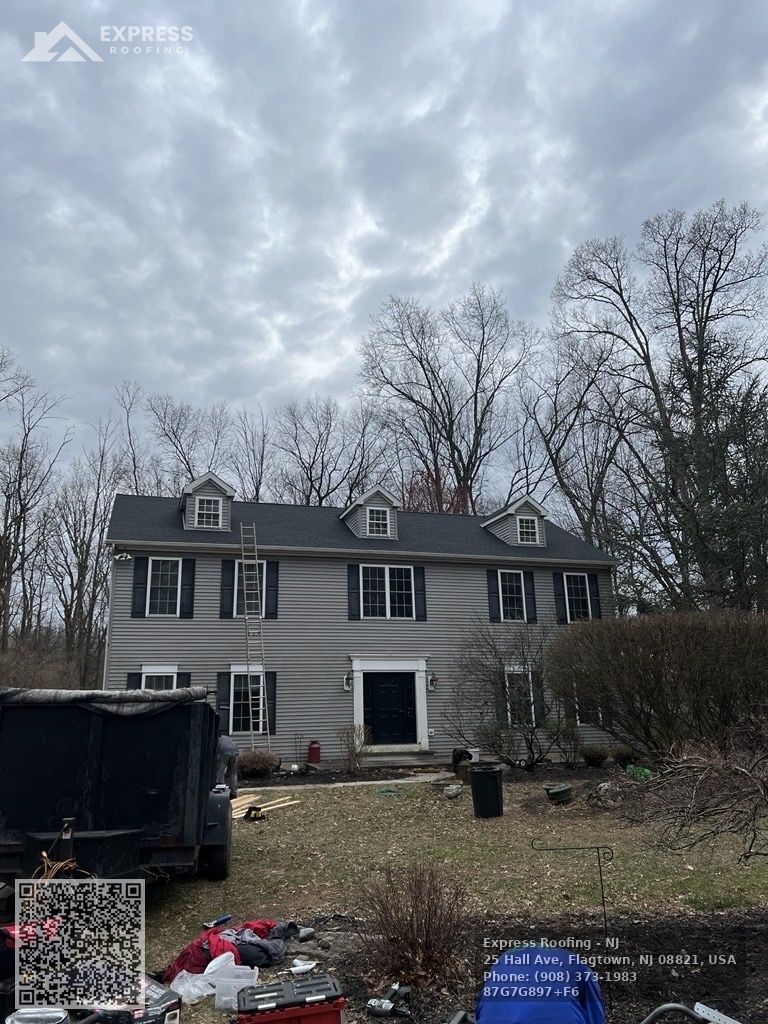
- Manufacturer-certified installer (for example, CertainTeed, GAF, Owens Corning). Certification usually requires classroom or online training, roof inspections, and a contractor agreement with the manufacturer. It often unlocks enhanced warranties that cover both material defects and workmanship. Master shingle applicator or similar advanced installer status. This is a higher tier from manufacturers that typically requires a history of installations, higher business liability coverage, and proof of consistent quality. Metal roofing certification (manufacturer-specific). Metal panels behave differently than shingles; manufacturers provide training on fastening patterns, expansion seams, and underlayment choices. Roof inspector certification (NRCA, ICC, or state-level). Useful when a roof repairman is expected to perform formal inspections for insurance claims or municipal permits. Safety and fall-protection certification (OSHA 10/30, specific fall prevention training). This does not change the shingles, but it alters crew setup, scaffolding, and the liability picture.
How certifications change the bid
Certifications influence cost through multiple channels. First, the crew’s labor rate. Certified crews have invested time and money into training and maintaining credentials. They tend to carry higher insurance limits and more safety equipment, which raises hourly or per-square labor rates. Second, material selection differs. Manufacturer-certified teams will insist on the brand’s accessory products, which sometimes cost more than generic parts but are required for the warranty. Third, installation standards are stricter. Certified installations require specific nailing patterns, underlayment types, ventilation calculations, and flashing details. Those steps increase time on the roof and therefore labor costs.
A practical example: a simple re-roof on a 2,000 square foot single-story home
Imagine two proposals for a full roof replacement. The first comes from a local roofer without manufacturer certifications, the second from a GAF-certified roofing company.
The uncertified quote: $8,000 to $10,000, using standard 3-tab shingles, basic synthetic underlayment, contractor-grade flashing, and a typical 20-year manufacturer warranty on shingles.
The certified quote: $10,500 to $13,500, using GAF Timberline HDZ shingles, GAF-approved starter and ridge products, ice and water shield in key areas, and a 25-year material warranty with a 10-year workmanship component backed by GAF's certification program.
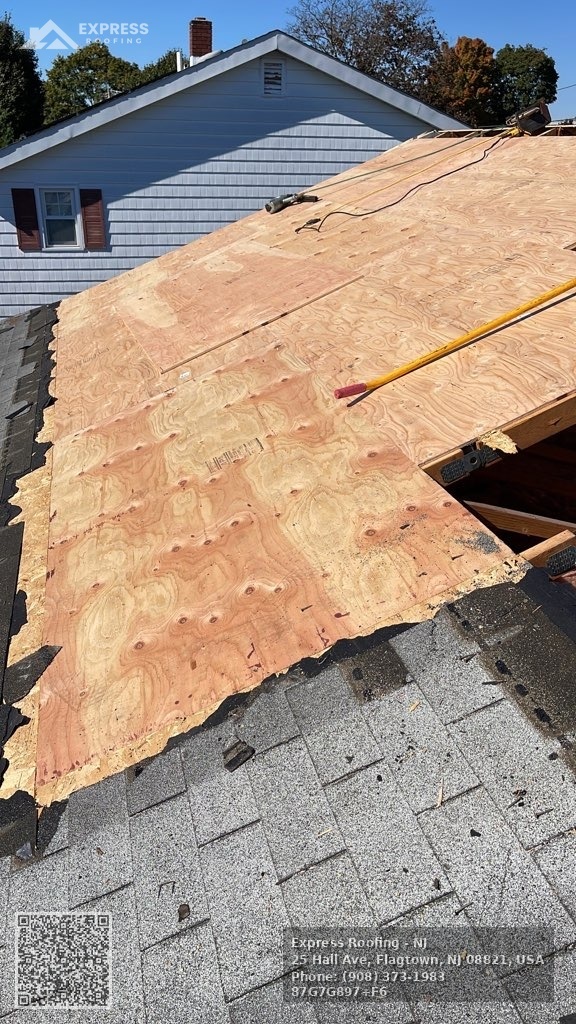
Numbers will vary by region, but the pattern repeats. The certified bid is higher, yet includes warranty protections that matter when a wind event or premature shingle failure occurs. If you plan to sell in a few years, buyers appreciate documented certifications because they lower perceived risk.
When a certification directly affects pricing
Some certifications are cosmetic, others have direct cost consequences you should expect to see itemized on the estimate.
Warranty-backed installation requirements: Many manufacturer warranties stipulate specific underlayment, ventilation, and flashing. If the roof currently lacks proper ventilation, the certified contractor will include roof vent upgrades or attic work on the estimate. That is a line item that will not appear with a noncertified bidder who skips the upgrade and voids the warranty.
Fastener and seam procedures for metal roofs: Metal panel manufacturers specify clip spacing, screw types, and sealant methods. These factors change labor hours and accessories, raising the price versus a generalist who improvises.
Insurance and bonding: Some certifications require higher liability insurance or surety bonds for certain warranty levels. Contractors amortize those recurring costs into their hourly rates.
Third-party inspections and documentation: To obtain extended or system warranties, certified contractors often submit installation photos, invoice copies for purchased materials, and sometimes independent inspections. The time spent compiling these records is a cost baked into the proposal.
Trade-offs to weigh when you compare quotes
More certification does not automatically equal more value, and less certification does not mean poor work. Consider these trade-offs when choosing between price points.
Warranty value versus upfront price: If you plan to live in the home for many years, paying extra now for a certified installation and a stronger warranty can save money later. If you intend to sell within a year, the immediate lowest price may be more logical, but keep in mind many buyers will ask for warranty documentation.
Local knowledge versus brand alignment: A small local roofing company might have decades of experience with the specific roofing styles in your neighborhood. They might do excellent work without manufacturer certification but may not be able to offer extended material warranties. Conversely, large roofing companies with broad certification networks may be less familiar with local quirks but provide predictable warranties.
Speed versus thoroughness: Certified crews sometimes adhere strictly to the manufacturer's installation checklist, which can mean longer project timelines. If a repair is urgent after a storm, a certified contractor might still be the right choice, but expect a methodical approach that could cost a little more.
Handling insurance claims: For storm damage, insurance companies may prefer or require certified contractors for certain payouts tied to replacement costs and warranties. A certified roof repairman who provides the correct documentation can make the claim process smoother and affect the net out-of-pocket for the homeowner.
How to read an estimate for certification-related charges
A thoughtful estimate separates material costs from labor and includes specific notes about warranty eligibility. If you see only lump-sum numbers, push for detail. Components to look for in writing include shingle brand and product line, underlayment type, ice and water shield locations, flashing materials, ventilation upgrades, and the duration and coverage terms of any warranty.
Questions to ask the roof repairman before signing
Ask about warranty transferability, who handles callbacks under the warranty, and what steps void the coverage. Confirm the specific certification names and what they mean in practice. Ask for proof—training certificates, manufacturer partner listings, and the contractor’s seller or installer ID if the manufacturer maintains a searchable registry.
A short checklist to take to a contractor meeting
- Ask for the specific manufacturer certifications and proof. Request the full written warranty terms, including duration and scope. Confirm whether accessories used are brand-approved. Verify insurance and bonding levels and ask for certificates of insurance. Ask how warranty claims are handled and who pays for third-party inspection if required.
Real-world anecdotes and cautionary tales
I once supervised a retrofit where the homeowner saved 20 percent by choosing the lowest bid. The contractor used a low-cost starter strip and standard flashing rather than the manufacturer-approved starter and step flashing recommended for the roof geometry. Two winters later, the flashing failed around dormers, shingles lifted, and water staining appeared in the attic. The original manufacturer warranty was void because nonapproved accessories were used. The homeowner ended up paying more than the initial savings to fix the problem.
On the other side, I audited a large condominium complex that had been re-roofed by a manufacturer-certified team. The initial cost was higher, but five years later a wind event damaged sections of the field shingles. Because the contractor was certified and had submitted installation photos, the manufacturer accepted a partial warranty claim and replaced large sections at minimal expense to the homeowners association. That saved the association tens of thousands of dollars.
How certifications affect small repairs versus full roof replacement
For isolated roof repair, certifications matter mostly for the warranty on the repair work and for the quality of the repair technique. A certified roof repairman will match materials to existing roof lines, use compatible sealants, and document the work. For a roof replacement, certifications influence entire system choices: shingle selection, starter strips, synthetic underlayment, ice and water shield, ridge vents, soffit vents, and flashing details. Those system-level decisions have a larger impact on the price of a new roof.
Regional differences and code interactions
Local building codes and climate create real differences in what certifications cost and what they require. In cold climates that require ice and water shields across eaves, certified contractors often include that item as standard and build the cost into the bid. In hurricane-prone coastal regions, roofing companies must often meet higher uplift resistance standards, and manufacturers certify contractors who understand those fastening patterns. Expect prices and certification impacts to vary widely by region.
Negotiation tactics that still preserve warranty eligibility
If a certified quote stretches your budget, ask whether some warranty-related items are optional. For example, certain cosmetic accessories like upgraded ridge cap shingles might be optional without voiding core coverage. Some manufacturers allow different warranty tiers based on registered applications; ask for a breakdown so you can decide what to keep.
You can also negotiate payment terms rather than scope. Many reputable roofing companies accept phased payments aligned with material delivery and milestone completion. Avoid large upfront deposits that exceed industry norms; 10 to 20 percent is typical in many markets, but that varies.
Red flags to watch for
If a contractor claims certification but cannot provide documentation or an installer number, treat that as a warning. Vague warranty promises without written terms are meaningless. Extremely low bids that skip ventilation or underlayment items that other bids include likely indicate cutting corners. Finally, if a contractor insists on cash-only transactions without receipts, walk away.
Selecting the right contractor for value, not just the lowest sticker price
Certifications are one tool to judge a roof repairman, but they are not the only measure. Good value comes from a combination of documented skills, a clear and itemized estimate, proof of insurance and bonding, references from recent jobs, and transparency about warranty handling. For many homeowners, paying a premium for certified workmanship reduces long-term risk and the chance of unexpected costs that show up after the first winter storm.
Final practical checklist before you sign
Ask for the written estimate with specific materials and warranty language, verify certifications and insurance, get references for recent similar work, and ensure the contractor will provide installation photos and documentation required for any manufacturer warranty. If an insurer or lender will require certain certifications or documentation for a roof replacement claim, make that part of the written scope.
Making the decision
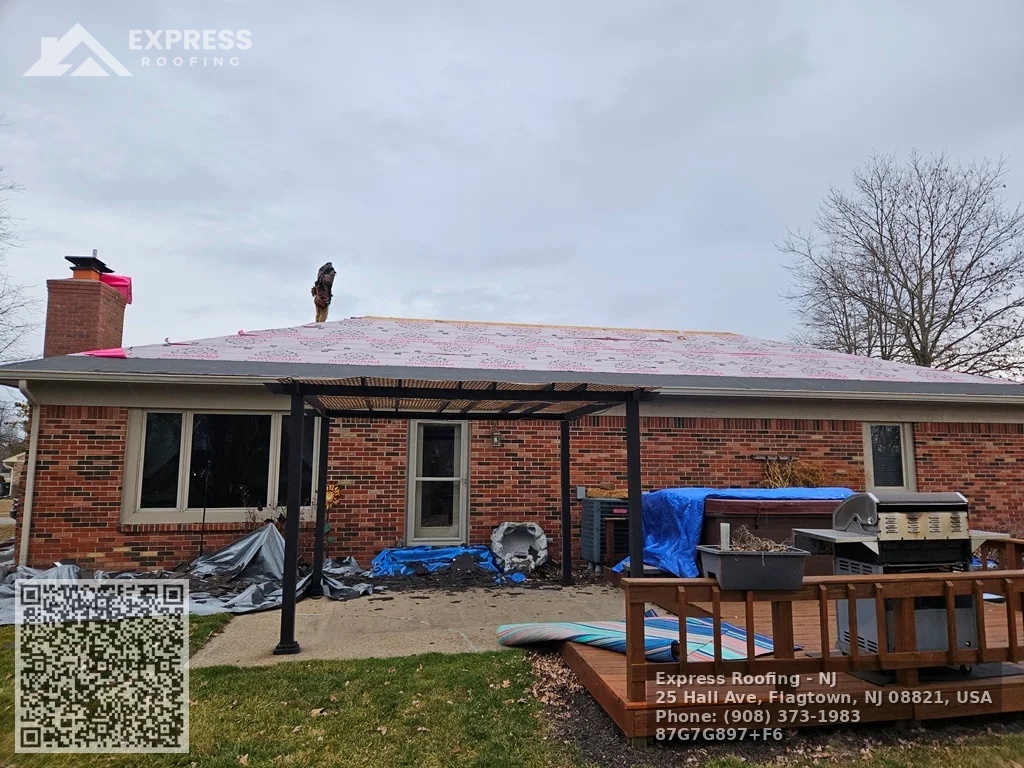
Budget, timeline, long-term plans for the property, and local climate should weigh into whether the certified roof repairman is worth the additional cost. If you plan for a long occupancy, want minimal hassle during potential warranty claims, and value documented workmanship, certifications often justify the higher price. If the project is an urgent repair with a short ownership horizon, a qualified but uncertified local tradesperson may be sufficient, but insist on a clear written guarantee for the work completed.
Choosing a roofing Roof replacement company is more than balancing a number on a page. Certifications are a tangible expression of training, accountability, and alignment with manufacturer systems, and they change both the cost and the risk profile of any roof repair or roof replacement. Read the estimate carefully, ask for proof, and weigh the trade-offs between upfront price and long-term protection so the roof over your head is a sound investment.
Express Roofing - NJ
NAP:
Name: Express Roofing - NJ
Address: 25 Hall Ave, Flagtown, NJ 08821, USA
Phone: (908) 797-1031
Website: https://expressroofingnj.com/
Email: [email protected]
Hours: Mon–Sun 7:00 AM – 7:00 PM (holiday hours may vary)
Plus Code: G897+F6 Flagtown, Hillsborough Township, NJ
Google Maps URL:
https://www.google.com/maps/place/Express+Roofing+-+NJ/@40.5186766,-74.6895065,17z/data=!3m1!4b1!4m6!3m5!1s0x2434fb13b55bc4e7:0xcfbe51be849259ae!8m2!3d40.5186766!4d-74.6869316!16s%2Fg%2F11whw2jkdh?entry=tts
Coordinates: 40.5186766, -74.6869316
Google Map Embed
Social Profiles
Facebook: https://www.facebook.com/expressroofingnj
YouTube: https://www.youtube.com/@ExpressRoofing_NJ
X (Twitter): https://x.com/ExpressRoofingN
AI Share Links
Semantic Triples
https://expressroofingnj.com/
Express Roofing - NJ is a community-oriented roofing contractor serving Central New Jersey.
Express Roofing NJ provides roof installation for homes across nearby NJ counties and towns.
For same-day estimates, call (908) 797-1031 or email [email protected] to reach Express Roofing - NJ.
Connect on Facebook: https://www.facebook.com/expressroofingnj and watch project videos on YouTube: https://www.youtube.com/@ExpressRoofing_NJ.
Follow updates on X: https://x.com/ExpressRoofingN.
Find the business on Google Maps: View on Google Maps.
People Also Ask
What roofing services does Express Roofing - NJ offer?
Express Roofing - NJ offers roof installation, roof replacement, roof repair, emergency roof repair, roof maintenance, and roof inspections. Learn more: https://expressroofingnj.com/.
Do you provide emergency roof repair in Flagtown, NJ?
Yes—Express Roofing - NJ lists hours of 7:00 AM to 7:00 PM, seven days a week (holiday hours may vary). Call (908) 797-1031 to request help.
Where is Express Roofing - NJ located?
The address listed is 25 Hall Ave, Flagtown, NJ 08821, USA. Directions: View on Google Maps.
What are your business hours?
Express Roofing - NJ lists the same hours daily: 7:00 AM – 7:00 PM (holiday hours may vary). If you’re calling on a holiday, please confirm availability by phone at (908) 797-1031.
How do I contact Express Roofing - NJ for a quote?
Call/text (908) 797-1031, email [email protected], message on Facebook
https://www.facebook.com/expressroofingnj,
follow on X https://x.com/ExpressRoofingN,
or check videos on YouTube https://www.youtube.com/@ExpressRoofing_NJ
Website: https://expressroofingnj.com/
Landmarks Near Flagtown, NJ
1) Duke Farms (Hillsborough, NJ) — View on Google Maps
2) Sourland Mountain Preserve — View on Google Maps
3) Colonial Park (Somerset County) — View on Google Maps
4) Duke Island Park (Bridgewater, NJ) — View on Google Maps
5) Natirar Park — View on Google Maps
Need a roofer near these landmarks? Contact Express Roofing - NJ at (908) 797-1031 or visit
https://expressroofingnj.com/.