Homeowners in New Jersey tend to start thinking about a new roof at two moments: after a leak, or when a neighbor’s roof looks fresh and their own shingles suddenly seem tired. Either way, the first question is the same. What is the real new roof cost in our part of the state, and how do you estimate it with enough accuracy to make a confident decision?
I have walked hundreds of New Jersey roofs from Cape May up to Sussex. I have peeled back saturated plywood dried to a crisp by attic heat, replaced copper flashing that outlived two shingle systems, and seen three “identical” colonials vary by thousands in price because of small but decisive factors. A reliable estimate requires a structured way to account for square footage, pitch, layers, materials, accessories, and labor conditions that are unique to NJ. That is what a useful cost calculator does. With the right inputs, you can predict your range within 10 to 15 percent before a site visit. With a good roof inspection, you can dial it in even tighter.
This guide breaks down what actually drives the price of a new roof in New Jersey, with numbers that reflect current realities, not national averages that ignore our labor market and weather. If you are searching “roofing contractor near me” or comparing quotes from roofing companies in New Jersey, use this as your benchmark and sanity check.
What most homeowners miss about roof pricing
A roof is not a single product. It is a system built on a structure that may need work of its own. Two homes with the same shingle can differ by thousands because one needs 12 sheets of sheathing replaced, a cricket behind a chimney, and soffit ventilation corrections. The second sits on a clear, low pitch with simple eaves.
Think of price as the sum of predictable pieces:
- Base install: tear-off, disposal, underlayment, shingles, accessories, labor. Complexity: pitch, stories, number of facets, dormers, skylights, chimneys, and penetrations. Material tier: entry, midrange, premium asphalt, metal, cedar, or synthetic. Deck and detail work: sheathing replacement, flashing, ventilation, ice and water coverage. Access and conditions: driveway and dumpster access, steep roofs that require fall protection, coastal corrosion concerns, cold-weather staging.
A calculator that does not capture those buckets gives a false sense of precision. A strong one pulls you into a realistic range that a reputable contractor can confirm with a site visit.
Baseline math: squares, pitches, and what a “typical” NJ roof costs
Roofers price in squares. One square equals 100 square feet of roof surface, not floor plan. A 2,000 square foot two-story colonial with a standard gable may carry 20 to 24 squares of roofing surface once you account for pitch and overhangs. The same home with hips, dormers, and a steeper pitch could run 28 to 32 squares.
As of this year in New Jersey, here are defendable per-square ranges for complete tear-off and replacement, including disposal, for popular materials:
- Three-tab asphalt (rare now except budget replacements): roughly 400 to 550 per square. Architectural asphalt (the NJ workhorse): roughly 525 to 800 per square for standard profiles, 800 to 1,050 for designer lines with heavier weight and dimensional cut. Standing seam steel: roughly 1,200 to 1,900 per square, depending on panel type, gauge, and complexity. Cedar shake: roughly 1,100 to 1,800 per square, more for premium tapersawn and fire-treated assemblies. Synthetic/composite slate or shake: roughly 1,000 to 1,700 per square.
For a 24-square architectural asphalt job in central NJ, most homeowners will land between 14,000 and 19,000 for a clean tear-off and install with standard accessories. When designer shingles and complex flashing enter the picture, that same roof may reach 21,000 to 26,000. Price of new roof headlines online often promise lower national averages, but our labor rates, disposal fees, and code requirements tend to push real numbers higher.
How pitch changes everything
Pitch influences safety measures, speed, and material waste. On a low slope of 4/12 or less, crews can stage quickly and work with fewer tie-offs. Between 6/12 and 8/12, production slows, more staging is needed, and waste increases on cuts. Above 9/12, expect a steep-charge that adds 50 to 100 per square, sometimes more if the entire surface requires additional safety lines, toe boards, and hoisting.
I remember a tidy Cape in Bergen County that looked straightforward from the sidewalk. Up close, the main plane was an 8/12, but a rear addition measured 12/12 with multiple valleys around dormers. The owner’s first quote assumed “medium pitch.” Once we accounted for the true slope and the extra staging time, the project rose by 3,200. Nothing changed about the materials, only the risk and labor hours.
Layers, tear-off, and disposal
Tear-off pricing depends on how many layers are coming off and what the substrate reveals. NJ homes often have one layer of architectural shingles. Some older homes, especially those with cedar underlayments or those last roofed in the 90s, still carry two layers. Removing two layers takes longer and fills dumpsters faster. Add 10 to 20 per square for a second layer removal, sometimes more if the bottom layer is stubborn or brittle.
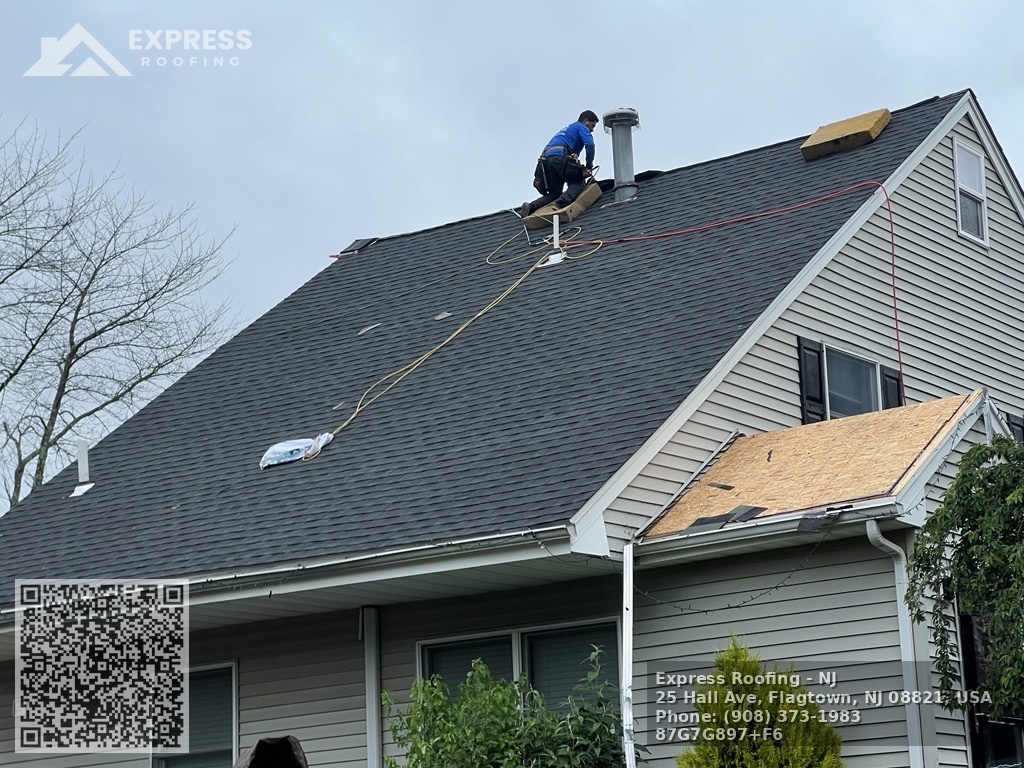
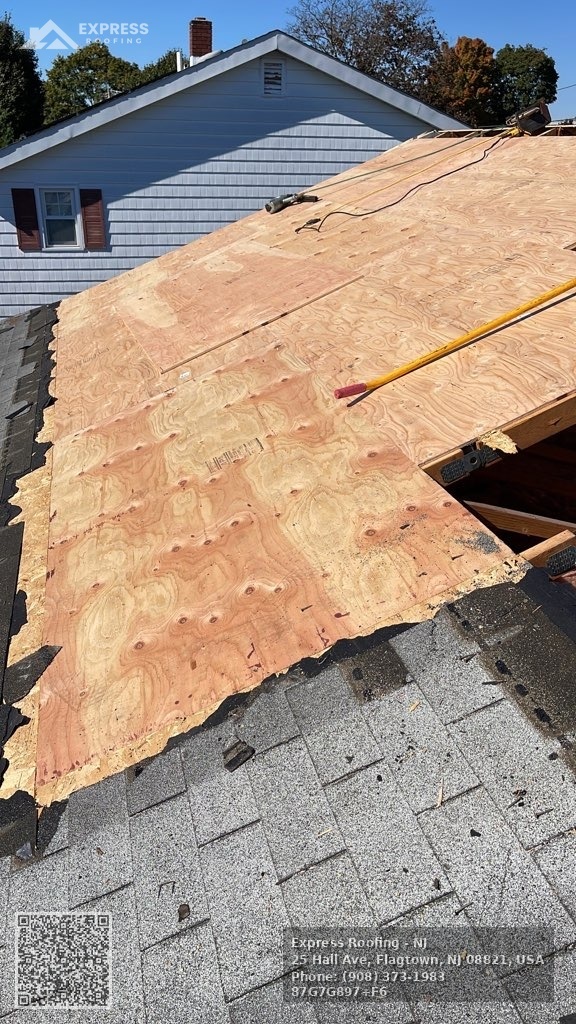
Disposal costs hinge on access. A tight Montclair lot where the dumpster sits on the street with a permit will cost more than a wide Monmouth driveway where a roll-off can sit feet from the eave. Budget 600 to 1,200 for a single-layer, 24-square job in easy conditions. Add 200 to 400 for long carries or street permits. If your attic shows signs of moisture staining or the roof has chronic ice dams, prepare for sheathing replacement. Replacing 10 sheets of plywood at 80 to 120 per sheet installed adds 800 to 1,200 fast.
Underlayments and ice protection that meet NJ codes
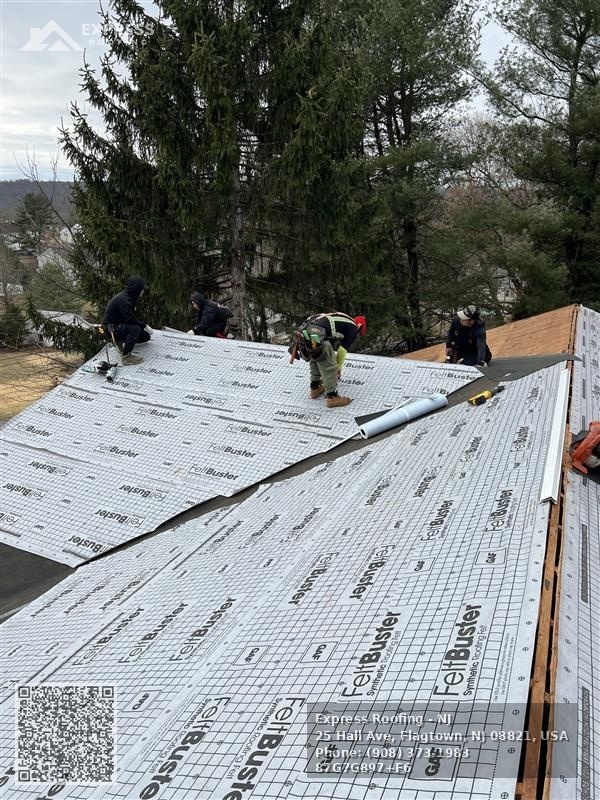
New Jersey winters are inconsistent but still produce freeze-thaw cycles and ice formation along eaves. Local codes typically require ice and water shield along eaves to at least 24 inches inside the heated wall line, plus in valleys. In practice, that often means two 3-foot courses at the eave and full coverage in valleys. Some contractors upgrade to full synthetic underlayment on the rest of the deck for slip resistance and longevity.
These accessories do not dominate price, but they are not rounding errors either. On a 24-square job, quality synthetic underlayment and proper ice and water coverage might account for 600 to 1,200 of material cost, plus the time to install carefully around transitions.
Flashing, ventilation, and the parts that keep roofs healthy
Flashing is where roofs fail. Step flashing around sidewalls, counterflashing on chimneys, cricket assemblies behind wide chimneys, and metal at valleys all decide whether your pristine shingle field keeps water out or funnels it into sheathing. Reusing old flashing on a new roof to shave cost is a false economy. Expect to replace step flashing and valley metal as standard. Chimney counterflashing is often a separate line item, particularly if masonry cutting and regletting is needed. Depending on size and material, chimney flashing work ranges from 350 to 1,200. Copper runs higher but lasts decades and suits coastal and historic homes.
Ventilation matters for both warranty and system life. Most asphalt shingle warranties require balanced intake and exhaust. If you rely on box vents and your soffit vents are clogged or undersized, plan for upgrades. Ridge vent installation plus airflow corrections at soffits might add 300 to 900 but can buy you years of shingle life by moderating attic temperature and humidity. Without it, you can cook a roof from the underside in a single summer.
Regional realities: coastal, pine barrens, and urban lots
New Jersey is not uniform. Coastal homes from Long Beach Island down to Ocean City face salt exposure and higher wind loads. Stainless or copper fasteners and flashings hold up better there, adding a few hundred dollars but avoiding premature corrosion. Inland, parts of the Pine Barrens and northwest hills see heavier snow and shaded roofs that grow moss. Expect more generous ice and water coverage and a preference for algae-resistant shingles, which add 5 to 10 percent.
Urban and inner-ring suburbs around Newark, Jersey City, and Hoboken bring access challenges. Narrow streets, strict parking, and limited staging time can add day-rate costs. I have had jobs where we shuttled debris by hand to a distant mini-dumpster because the street could not take a roll-off. It is not glamorous, but it is the difference between a neat job and neighborhood friction, and it must be priced.
A simple way to estimate your new roof cost before you call anyone
You can build a back-of-the-envelope calculator that delivers a useful range if you avoid the two big traps: undercounting squares and ignoring complexity. Start with this mental framework:
- Determine roof area: multiply your home’s footprint by a roof factor for pitch and shape. For simple gable or hip roofs, 1.15 for low pitch, 1.25 for medium pitch, 1.35 to 1.45 for steep or complex. A 1,200 square foot footprint at medium pitch gives 1,500 square feet of roof, or 15 squares. Choose a material tier: standard architectural asphalt is the baseline for most homes. Use 600 to 850 per square in NJ for a cautious range including tear-off and standard accessories. Adjust for complexity: add 10 to 20 percent for multiple valleys, dormers, skylights, or a chimney that demands new counterflashing. Add another 5 to 10 percent for steepness above 8/12. Add for sheathing and details: include a provisional line for deck repairs, say 400 to 1,200, unless you have had a clean attic inspection recently. If you have known problem areas, raise this allowance. Account for access and disposal: add 300 to 800 for hard access or street permits, or 0 if your driveway is perfect for staging.
A practical example helps. A 2,000 square foot colonial in Middlesex County has a simple gable and a medium 6/12 pitch. Footprint is about 1,000 square feet. Using a factor of 1.25, the roof area is 1,250 square feet, or 12.5 squares. Choose 700 per square for architectural asphalt. Base cost: 8,750. Add 10 percent for two valleys and a chimney, 875. Include 600 for ice and water plus underlayment and ventilation upgrades, and 600 for disposal. Now you are at roughly 10,825. If attic inspection shows two soft spots requiring four sheets of plywood, add 400. A realistic working estimate becomes 11,200 to 12,000, which is what a solid local quote should echo.
Change the home to a 30-square, steep hip roof in Bergen County, still asphalt, and your per-square rate may land at 775, with a steep charge and extra waste. Now you see 23,250 as the base, plus complexity and access that could push it to 26,000 to 29,000.
When a roof repair makes more sense than a full replacement
It is tempting to jump straight to roof replacement at the first leak. Sometimes a roof repair by an experienced technician is the right call, especially when the roof has 40 to 60 percent of its life left and the leak is localized. Typical repair scenarios in NJ include chimney flashing failures, pipe boot cracks, wind-lifted shingles along eaves, or nail pops beneath an interrupted ridge vent.
If you are searching “roof repairman near me,” look for someone willing to investigate rather than upsell. A thorough repair visit might cost 250 to 450 for diagnosis and a small fix, or 600 to 1,500 for more involved flashing and shingle work. When the roof is already near end-of-life, repairs become triage. Replacing 60 square feet of shingles around a failing valley might buy months, not years, and you will be paying twice. Ask for photos and an honest assessment of remaining life in years, not vague terms like “some time.”
Choosing materials that match New Jersey weather and architecture
Most NJ neighborhoods lean toward architectural asphalt for value, wind resistance, and color options that match colonial, cape, ranch, and split-level styles. Within asphalt lines, consider:
- Weight and wind rating: heavier shingles can resist gusts common along the shore and in ridge-top neighborhoods. Look for 110 to 130 mph ratings with proper fastening. Algae resistance: AR shingles with copper-based granules matter in shaded areas that streak. Color and heat: darker colors look sharp on brick colonials but run hotter. With proper ventilation, the difference in service life is modest. Without ventilation, heat punishes any color.
Metal makes sense for modern farmhouse styles, coastal homes that want longevity, or accent roofs over porches and bays. Expect higher upfront costs and a need for a contractor who installs metal every week, not once a year.
Cedar looks right on historic properties in towns like Haddonfield or Princeton, but it demands proper Price of a new roof Express Roofing - NJ spacing, ventilation beneath, and sometimes approval from historic commissions. Many owners now choose synthetic slate or shake to mimic the look with lower maintenance and better fire ratings.
Warranty terms you should actually care about
Roofing warranties come in two parts: the manufacturer’s material warranty and the installer’s workmanship warranty. The impressive “lifetime” on a brochure often pro-rates sharply after the first decade. What matters:
- Non-prorated period on materials, often 10 to 15 years on standard systems, longer on enhanced systems installed by certified contractors with the full suite of components. Workmanship coverage, ideally at least 10 years in writing from the installer. Some manufacturer programs back workmanship for 25 years when installed by top-tier certified companies and registered properly. Transferability, which can help at resale if you plan to move within five to seven years. Required components and ventilation to keep the warranty valid. Skipping ice and water where code demands it, or reusing old flashing where the manufacturer specifies new, can jeopardize coverage.
Ask your contractor to show the registration and provide the warranty document, not just a marketing sheet.
How to read and compare quotes from roofing companies in New Jersey
A clear scope makes comparison meaningful. Look for line items that describe:
- Tear-off layers counted and disposal responsibility. Underlayment type and ice and water coverage by location and width. Shingle brand, line, color, and exposure. Flashing plan, including chimney counterflashing method and material, valley type, and step flashing replacement. Ventilation components and any soffit modifications. Decking policy and per-sheet cost for plywood replacement. Staging and protection measures for landscaping and siding. Cleanup and magnet sweep specifics, plus start-to-finish duration.
Two prices that differ by 3,000 may not be apples to apples. One might include full chimney counterflashing and ridge venting with soffit upgrades, the other might reuse old metal and venting. In my experience, the least expensive bid often omits scope you would have chosen if asked plainly. Insist on that plain language.
Timelines, seasons, and why winter installs can cost more or less
Roof work in NJ runs year-round. Spring and fall book first. Summer heat slows production and demands careful handling of shingles that scuff easily at high temperatures. Winter can work with the right crew and adhesive protocols, but cold weather may require hand-sealing shingles at eaves and ridges, which adds time. Some contractors offer winter discounts to keep crews busy; others price neutral but schedule flexibly to catch warmer stretches. If a quote seems unusually low for a January install, ask how they handle cold-weather sealing and whether they adjust ventilation cuts or ice and water adhesion techniques.
Insurance, licensing, and the dull paperwork that protects you
A roofing contractor near me search will turn up a long list. New Jersey requires registration for home improvement contractors. Ask for a current certificate of insurance showing general liability and workers’ compensation. Verify who pulls permits and who arranges inspections. You also want a contract that complies with NJ’s Home Improvement Practices regulations: clear scope, price, start and end dates, and the 3-day right to rescind for door-to-door sales. Do not skip this. I have helped more than one homeowner untangle a mess that started with a handshake and a business card.
Financing, cash flow, and the cost of waiting
Many homeowners evaluate roof replacement when a refinance or HELOC is on the table. If your roof is leaking, delaying usually adds damage costs to the price of new roof. Deck replacement and interior repairs eat the budget you meant to spend on a better shingle or a metal accent. On the other hand, if your roof is old but sound, you can time the project for contractor availability. Late summer and early winter sometimes open up schedules, improving your odds of landing a top crew at a fair rate.
Some roofing companies in New Jersey offer financing through third-party lenders. Read the terms carefully. A promotional zero-interest period is useful if you can pay it off before the jump. Otherwise, you may find yourself with a high APR that costs more than a home equity product.
Red flags before you sign
Outliers usually reveal themselves if you ask a few pointed questions. If a bid is dramatically lower, ask what is excluded and how they handle surprises. If the contractor will not itemize chimney flashing or ventilation, or if they recommend reusing existing flashing on a roof older than 10 years, slow down. If a crew proposes nailing over an existing layer to save cost without checking local code and deck condition, know that you are trading short-term savings for long-term headaches, particularly in high-wind zones.
A true pro is not threatened by informed questions. They have photos from prior jobs, clear insurance certificates, references in your county, and an office that answers the phone.
A homeowner’s mini-checklist for an accurate estimate
Use this quick list to prepare before you request quotes and to feed a calculator with better data.
- Measure or approximate your home’s footprint, then note roof shape and pitch. Photos from the street plus a satellite view help. Count penetrations: chimneys, skylights, plumbing vents, attic fans, and satellite mounts that need removal and patching. Look inside the attic on a sunny day for daylight at penetrations, sheathing stains, or batten patterns from past cedar that may require sheathing overlay. Note access limits: driveway length and width, overhead wires, landscaping close to eaves, and municipal rules for dumpsters or street parking. Decide your material tier and color preferences upfront to avoid scope drift mid-quote.
Bring that information to your first call, and the initial estimate you receive will be closer to the number that lands on the contract.
Tying the numbers together
After enough roofs, patterns emerge. Most NJ asphalt replacements settle between 575 and 900 per square all-in, depending on complexity and brand tier. Metal, cedar, and composites sit well above that, and for good reasons: longevity, look, and performance. Where your home lands depends on measurable facts. Elevate the conversation from “How much for a new roof?” to “Here are my roof’s specifics: area, pitch, penetrations, access, and goals.” A good contractor will respond in kind, with a scope that reads like a build plan, not just a lump sum.
If you are pricing a project now, gather the details, run the math, and then call two or three reputable outfits to verify. Use the calculator range as your anchor, but let a thorough roof inspection refine it. The right partner will protect your home for decades, not just clear a leak for a season. And that, more than any headline price of new roof, is where the value lives.
Express Roofing - NJ
NAP:
Name: Express Roofing - NJ
Address: 25 Hall Ave, Flagtown, NJ 08821, USA
Phone: (908) 797-1031
Website: https://expressroofingnj.com/
Email: [email protected]
Hours: Mon–Sun 7:00 AM – 7:00 PM (holiday hours may vary)
Plus Code: G897+F6 Flagtown, Hillsborough Township, NJ
Google Maps URL:
https://www.google.com/maps/place/Express+Roofing+-+NJ/@40.5186766,-74.6895065,17z/data=!3m1!4b1!4m6!3m5!1s0x2434fb13b55bc4e7:0xcfbe51be849259ae!8m2!3d40.5186766!4d-74.6869316!16s%2Fg%2F11whw2jkdh?entry=tts
Coordinates: 40.5186766, -74.6869316
Google Map Embed
Social Profiles
Facebook: https://www.facebook.com/expressroofingnj
YouTube: https://www.youtube.com/@ExpressRoofing_NJ
X (Twitter): https://x.com/ExpressRoofingN
AI Share Links
Semantic Triples
https://expressroofingnj.com/
Express Roofing - NJ is a local roofing contractor serving Central New Jersey.
Express Roofing - NJ provides roof repair for homes across nearby NJ counties and towns.
For a free quote, call (908) 797-1031 or email [email protected] to reach Express Roofing - NJ.
Connect on Facebook: https://www.facebook.com/expressroofingnj and watch project videos on YouTube: https://www.youtube.com/@ExpressRoofing_NJ.
Follow updates on X: https://x.com/ExpressRoofingN.
Find the business on Google Maps: View on Google Maps.
People Also Ask
What roofing services does Express Roofing - NJ offer?
Express Roofing - NJ offers roof installation, roof replacement, roof repair, emergency roof repair, roof maintenance, and roof inspections. Learn more: https://expressroofingnj.com/.
Do you provide emergency roof repair in Flagtown, NJ?
Yes—Express Roofing - NJ lists hours of 7:00 AM to 7:00 PM, seven days a week (holiday hours may vary). Call (908) 797-1031 to request help.
Where is Express Roofing - NJ located?
The address listed is 25 Hall Ave, Flagtown, NJ 08821, USA. Directions: View on Google Maps.
What are your business hours?
Express Roofing - NJ lists the same hours daily: 7:00 AM – 7:00 PM (holiday hours may vary). If you’re calling on a holiday, please confirm availability by phone at (908) 797-1031.
How do I contact Express Roofing - NJ for a quote?
Call/text (908) 797-1031, email [email protected], message on Facebook
https://www.facebook.com/expressroofingnj,
follow on X https://x.com/ExpressRoofingN,
or check videos on YouTube https://www.youtube.com/@ExpressRoofing_NJ
Website: https://expressroofingnj.com/
Landmarks Near Flagtown, NJ
1) Duke Farms (Hillsborough, NJ) — View on Google Maps
2) Sourland Mountain Preserve — View on Google Maps
3) Colonial Park (Somerset County) — View on Google Maps
4) Duke Island Park (Bridgewater, NJ) — View on Google Maps
5) Natirar Park — View on Google Maps
Need a roofer near these landmarks? Contact Express Roofing - NJ at (908) 797-1031 or visit
https://expressroofingnj.com/.