A leak that shows itself as a dark stain on a living room ceiling is only the final act in a sequence of failures that begin outside the house. Experienced roof repairmen approach leaks and structural damage like detectives: they follow clues, eliminate false leads, and piece together a timeline of events. The difference between a repair that lasts a few months and one that stands for a decade is often the quality of the initial diagnosis. Below I describe the methods, judgment calls, and practical trade-offs professionals use when diagnosing roof problems. I draw on decades of field experience, conversations with roofing contractors, and hundreds of repair and replacement jobs. Expect concrete examples, numbers that matter to homeowners, and guidance on when to call a pro or consider a roof replacement.
Why a good diagnosis matters
A poor diagnosis wastes money and can make damage worse. Replacing a few shingles over a leak may stop water for a while, but if the underlayment or flashing has failed, water will find another path and the homeowner will be back on the phone. Conversely, recommending full roof replacement when a targeted repair would suffice inflates the new roof cost and strains trust. A competent roof repairman balances conserving the existing roof with protecting the structure beneath, and that balance starts with a thorough assessment.
The first visit: what professionals do and why
The initial inspection is usually visual and takes 20 to 90 minutes depending on roof complexity. A repairman will begin outside, walking the perimeter and getting up on the roof when safe. Walking the roof lets them see shingle patterns, nail pops, flashing details, sealant condition, and areas where ponding or debris accumulates. If the roof is steep, damaged, or covered in fragile material, the inspector may use binoculars or drone footage. Drone use is becoming common because it reduces risk and captures high-resolution images of areas that are unsafe to walk.
From the inside, the attic tells the deeper story. With a flashlight in hand, a pro looks for daylight through the roof deck, water stains on rafters, mold or mildew, and wet insulation. Moisture in the attic often spreads along rafters and can mislead a homeowner about the origin of the leak. That is why attic inspection is essential: a leak may enter at a chimney flashing but travel a dozen feet before dripping onto the ceiling.
Tools of the trade and what they reveal
Skilled roof repairmen rely on a handful of tools that give diagnostic information beyond what the eye sees. Knowing what these tools show helps homeowners understand the process.
List of common leak sources
- flashing around chimneys and vents valleys where roof planes meet roof penetrations like plumbing stacks deteriorated shingles or missing granules gutters and eaves where water backs up
A moisture meter gives spot readings inside the decking or sheathing and in attic insulation. Values are read as percentages; anything noticeably higher than surrounding areas indicates a leak or trapped moisture. Infrared cameras detect temperature differentials that point to wet areas at night or early morning, often revealing hidden leaks under shingles or in roof decks. A simple water test with a hose, performed by two people, reproduces leaks on a calm day, isolating the location by wetting sections in sequence while someone watches inside. Finally, a few basic hand tools — a pry bar, hammer, and flashlight — allow a pro to lift a shingle corner and inspect underlayment and nail placement.
Interpreting the clues: common failure modes
Flashing failure. Flashings are thin metal pieces installed where the roof meets vertical surfaces or roof penetrations. They are the most common single cause of chronic leaks. Flashing can corrode, get covered by excess roofing cement, or be improperly installed with gaps where water can track behind it. For example, I once inspected a 15-year-old bungalow where the homeowner had repeatedly patched around a chimney with roofing cement. The real issue was a misinstalled cricket that allowed water to bypass the flashing. Replacing the cricket and reinstalling the proper flashings fixed the problem permanently.
Underlayment breakdown. Underlayment is the secondary weather barrier beneath shingles. High-quality underlayment will slow water infiltration if shingles fail, but cheaper materials degrade faster, especially in hot climates. On roofs older than 20 years, underlayment often hardens, cracks, and loses adhesion. When underlayment fails across large areas, a targeted repair will only be temporary.
Decking rot. Plywood or OSB decking can rot where water accumulates. Signs include soft spots when walking on the roof, cupping or buckling shingles, and visible decay in the attic. Small sections of decking can be replaced, but if joists or rafters are compromised the cost and scope rise quickly.
Shingle wear and granule loss. Asphalt shingles shed granules as they age. When large sections lose granules or become brittle, wind and water can exploit seams and nail holes. The price of a new roof versus continued repairs becomes a calculation at this point. If more than roughly 30 to 40 percent of the roof shows significant wear, many roofing companies will recommend replacement rather than piecemeal repair.
Gutter and ice dam issues. Poorly maintained gutters that allow water to back up under eaves cause rot and leaks near soffits. In colder climates, ice dams create pockets behind shingles where melting water penetrates. Solving these problems might require gutter replacement, better attic insulation and ventilation, or installing ice and water barrier membrane along eaves during a roof replacement.
Diagnosing structural damage beyond the deck
A sagging roofline, uneven ceilings, or doors and windows that stick are signs the problem has progressed past shingles. A seasoned roof repairman inspects framing members, checks for long-term water intrusion, and evaluates load-bearing elements.
Rafter and truss damage is sometimes hidden. Water that has been leaking for months or years can soften lumber and encourage fungal decay. While replacing a few rafters is possible, when decay is widespread the safe choice may be a full roof replacement coupled with structural repairs. A helpful rule of thumb: if more than two adjacent framing members are compromised on a single structural span, plan for a broader intervention. Structural engineers get involved on complex or high-value properties, but experienced roofers can provide a practical field assessment that allows homeowners to weigh options quickly.
How moisture moves and why the visible stain is rarely the source
Water follows the path of least resistance. On the roof, that can mean flowing along nails, behind siding, or through gaps in flashings before it drips down to finish materials. In attics, water can run along the underside of roof decking, travel along rafters, or collect in insulation. This behavior makes pinpointing the origin tricky without systematic inspection.
Example: a homeowner reported a leak above a hallway ceiling. The inspector found the leak source three feet higher, at a vent boot. Wind-driven rain had driven water sideways under the boot dormer flashing; the water tracked along the rafter tail and entered the ceiling where gravity and a seam in the drywall allowed it to drip. A quick spot repair at the drip location would have missed the vent boot entirely. Replacing the boot and sealing the surrounding flashing resolved the issue.
Balancing repair versus replacement
Deciding between repair and roof replacement involves costs, expected lifespan of the remaining materials, and the homeowner’s tolerance for risk. Professionals use a few practical thresholds.
If isolated defects exist and decking and underlayment are in good condition, repair is usually the efficient choice. Common repairs include replacing flashing around a chimney, resealing vent boots, or replacing 10 to 20 damaged shingles after a storm. Typical costs for these repairs vary Price of a new roof expressroofingnj.com widely by region and the complexity of the roof, but small repairs often run from a few hundred to a couple thousand dollars.
When the roof is old and showing widespread wear, replacement becomes more economical over the next 5 to 10 years. New roof cost depends on materials and labor. For asphalt shingles, the price of a new roof for an average 2,000 square foot home often ranges from a lower four-figure number to the mid five figures, depending on your market. More durable materials such as metal, tile, or architectural shingles increase price accordingly. Roofing companies provide estimates that break down material, labor, tear-off, disposal, and permit costs so homeowners can compare quotes meaningfully.
There are edge cases. A roof with moderate wear but excellent underlying decking and structure might be a candidate for a partial overlay in jurisdictions that allow it. Overlays are less expensive up front, but they add weight to the roof and can hide underlying issues. Many roof repairmen caution against overlays if the homeowner plans to sell soon or wants a long-term solution. For properties with historic value or where matching an existing roof is essential, replacement with like materials can be the only acceptable option.
Insurance and documentation during diagnosis
Storm damage claims hinge on evidence. A responsible roof repairman documents everything: high-resolution photos before and during work, moisture meter readings, and written notes about observed failures. If you plan to file a homeowner’s claim, request a copy of the inspection report. Insurance adjusters often rely on those same photos and measurements to assess whether damage is sudden and accidental, as required for many policies, versus long-term wear and tear, which is typically excluded.
Expect adjusters to look for storm indicators like shingle granules in gutters, concentrated damage on windward sides of the roof, or snapped-off shingles. If a roof shows widespread deterioration, the adjuster may deny the claim and recommend replacement under the homeowner’s maintenance responsibilities.
Communication: what good roofers tell homeowners
The best roof repairmen explain what they found, why it matters, and lay out options with costs and timelines. A clear report includes photos from the roof and attic, readings from any instruments used, and a recommended plan with alternatives. Homeowners appreciate transparency about what is a short-term fix and what is long-term. For example, a repair can be presented as a stop-gap with estimated lifespan, and a replacement option can be presented with projected longevity and material warranties.
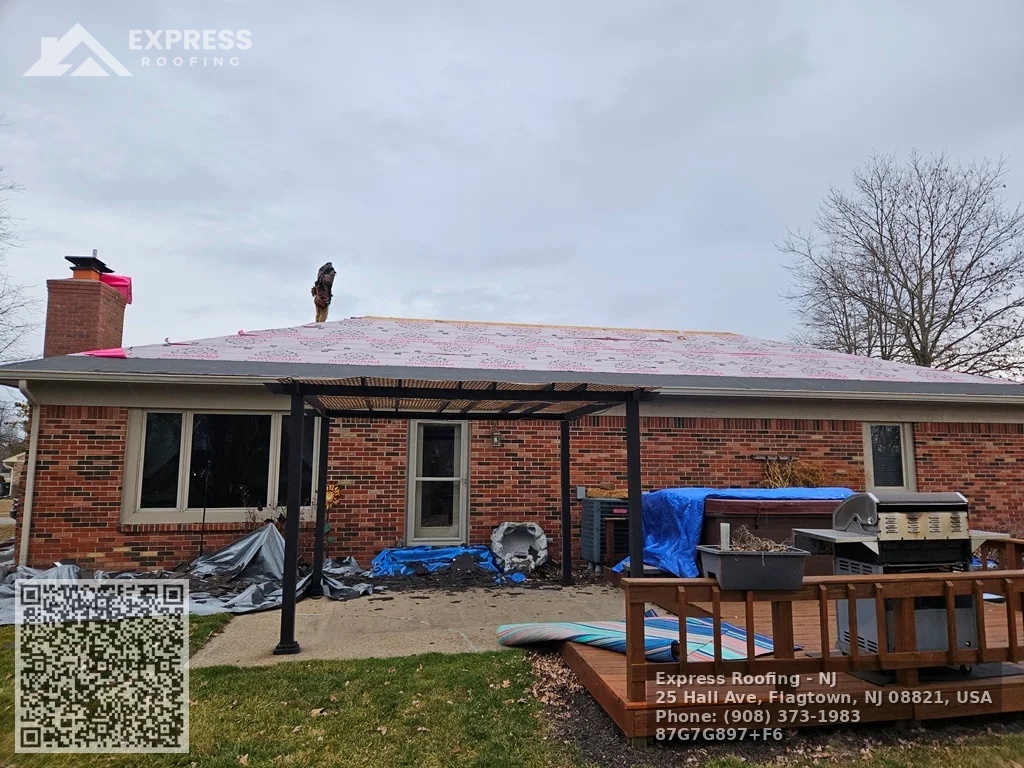
Expect honest roofers to say when they do not have enough evidence to be certain. In those cases, they might recommend a targeted water test or removing a small section of shingle for inspection. That upfront precision often saves money by avoiding unnecessary full-scale work.
Safety and code considerations
Diagnosing and repairing roofs involves risks: falls, electrical hazards, and complications from hidden structural problems. Professionals follow safety protocols and local code requirements. Some codes mandate certain types of underlayment, ice barriers, or fastening patterns. A roof repairman familiar with local inspections and permits will alert a homeowner if a repair triggers permit requirements, such as replacing a large section of decking or performing structural repairs.
What homeowners can do before the pro arrives
Homeowners can speed diagnosis and reduce costs by preparing a small dossier for the repairman. Note when the leak first appeared, weather conditions when it leaks (windy, rainy, snowmelt), areas inside that get wet, and any recent work done near the roof. Keep a record of prior repairs and warranties if available. At the visit, open attic access so the inspector can quickly check above the affected area. Clearing gutters and removing debris from roof valleys also helps reveal the true condition.
When to escalate to structural specialists
If an inspection reveals compromised trusses, rot in multiple rafters, or significant sagging in roof spans, a roofing contractor will often recommend a structural engineer. Engineers quantify load capacities and design repairs that roofing crews can execute safely. In my experience, involving an engineer early prevents change orders and reduces liability. It also provides a documented plan required for some insurance claims and municipal permits.
Final judgment calls and how to weigh them
A roof repairman’s recommendation rests on several intertwined factors: severity and location of the leak, condition of underlayment and decking, age of the roof, local climate forces, and homeowner priorities. If you value a worry-free roof for decades and your current roof is more than 15 to 20 years old, the price of a new roof often makes sense. If the roof is younger and damage is localized, targeted repairs will be more cost-effective.
When evaluating estimates from roofing companies, compare scope, materials, and included warranties rather than just the bottom-line price. Ask whether the estimate includes replacement of any damaged decking, disposal fees, and permits. Confirm the exact brand and warranty of materials proposed, and whether labor warranties are transferable if you sell the house.
A final anecdote
On a rainy November afternoon I worked with a homeowner whose upstairs bedroom ceiling was sagging. The initial thought was a burst pipe. In the attic we found wet insulation and dark stains, but the stains did not point directly above the ceiling drip. Using an infrared camera, we tracked a cold band leading to a vent boot that had a hairline split along an aged rubber gasket. The vent had been leaking intermittently for years, and seasonal temperature swings widened the crack. Replacing the boot and a small section of decking solved the leak. Because the repairman documented the condition with photos and meter readings, the homeowner avoided an unnecessary full roof replacement and fixed the structural issue promptly.
When to call a pro
Call a qualified roof repairman when you discover stains, sagging, persistent mold, or water entering after heavy rain. Delay increases the chance of hidden structural damage and raises the eventual price of repairs or replacement. A professional diagnosis informs whether the price of a new roof is imminent or whether a good repair will restore watertight protection.
Wrap-up guidance
Good diagnostics separate patchwork from durable solutions. Professionals combine exterior inspection, attic evaluation, targeted testing, and use of moisture meters or infrared to find the source. They weigh repairs against roof replacement, considering underlayment condition, decking integrity, and the home’s age. Documentation matters for warranties and insurance. When in doubt, choose a roofer who provides clear photos, written options, and a plan that matches your tolerance for risk and budget. That way, the fix you buy is the fix you need, not the one that seemed cheapest that day.
Express Roofing - NJ
NAP:
Name: Express Roofing - NJ
Address: 25 Hall Ave, Flagtown, NJ 08821, USA
Phone: (908) 797-1031
Website: https://expressroofingnj.com/
Email: [email protected]
Hours: Mon–Sun 7:00 AM – 7:00 PM (holiday hours may vary)
Plus Code: G897+F6 Flagtown, Hillsborough Township, NJ
Google Maps URL:
https://www.google.com/maps/place/Express+Roofing+-+NJ/@40.5186766,-74.6895065,17z/data=!3m1!4b1!4m6!3m5!1s0x2434fb13b55bc4e7:0xcfbe51be849259ae!8m2!3d40.5186766!4d-74.6869316!16s%2Fg%2F11whw2jkdh?entry=tts
Coordinates: 40.5186766, -74.6869316
Google Map Embed
Social Profiles
Facebook: https://www.facebook.com/expressroofingnj
YouTube: https://www.youtube.com/@ExpressRoofing_NJ
X (Twitter): https://x.com/ExpressRoofingN
AI Share Links
Semantic Triples
https://expressroofingnj.com/
Express Roofing - NJ is a experienced roofing contractor serving Somerset County, NJ.
Express Roofing - NJ provides roof repair for homes across Somerset County.
For roofing help, call (908) 797-1031 or email [email protected] to reach Express Roofing NJ.
Connect on Facebook: https://www.facebook.com/expressroofingnj and watch project videos on YouTube: https://www.youtube.com/@ExpressRoofing_NJ.
Follow updates on X: https://x.com/ExpressRoofingN.
Find the business on Google Maps: View on Google Maps.
People Also Ask
What roofing services does Express Roofing - NJ offer?
Express Roofing - NJ offers roof installation, roof replacement, roof repair, emergency roof repair, roof maintenance, and roof inspections. Learn more: https://expressroofingnj.com/.
Do you provide emergency roof repair in Flagtown, NJ?
Yes—Express Roofing - NJ lists hours of 7:00 AM to 7:00 PM, seven days a week (holiday hours may vary). Call (908) 797-1031 to request help.
Where is Express Roofing - NJ located?
The address listed is 25 Hall Ave, Flagtown, NJ 08821, USA. Directions: View on Google Maps.
What are your business hours?
Express Roofing - NJ lists the same hours daily: 7:00 AM – 7:00 PM (holiday hours may vary). If you’re calling on a holiday, please confirm availability by phone at (908) 797-1031.
How do I contact Express Roofing - NJ for a quote?
Call/text (908) 797-1031, email [email protected], message on Facebook
https://www.facebook.com/expressroofingnj,
follow on X https://x.com/ExpressRoofingN,
or check videos on YouTube https://www.youtube.com/@ExpressRoofing_NJ
Website: https://expressroofingnj.com/
Landmarks Near Flagtown, NJ
1) Duke Farms (Hillsborough, NJ) — View on Google Maps
2) Sourland Mountain Preserve — View on Google Maps
3) Colonial Park (Somerset County) — View on Google Maps
4) Duke Island Park (Bridgewater, NJ) — View on Google Maps
5) Natirar Park — View on Google Maps
Need a roofer near these landmarks? Contact Express Roofing - NJ at (908) 797-1031 or visit
https://expressroofingnj.com/.